Have Insulation Questions?
Frequently Asked Questions About Insulation
-
What are the benefits of updated attic insulation?
As much as 85 percent of the heat lost in a house passes through the attic. In fact, the U.S. Department of Energy estimates that boosting attic insulation can lower heating costs by 10 to 50 percent (depending on the current level of insulation). Eliminating heat transfer to the attic not only keeps the heat in the house but it helps limit cold air from being drawn into the house from cracks and holes as the heat escapes through the ceiling.
-
Which insulation should I choose?
Loose fill is ideal for attics because it settles into all the little nooks and cavities, particularly with Cellulose which only becomes denser as it settles. Fiberglass batt is perfect for applications like floor insulation or wall insulation but when it comes to an attic where the insulation is directly exposed to the cold air in an attic we highly recommend blowing in an R-49 or R-60 with cellulose.
-
What is insulation made of?
The two common types of loose fill insulation used in attics are Fiberglass and Cellulose. You'll need a thicker layer of fiberglass than other materials, and it can irritate the lungs and skin plus in extreme climates like ours, Fiberglass can lose a portion of its R-Value. Fiberglass doesn't block air as well as other materials either. Cellulose is made from recycled paper products. Loose-fill cellulose insulation can settle around and conform to most of the obstructions found in walls and attics. Loose-fill cellulose is relatively inexpensive, yet still has an R-value of about 3.5 per inch of thickness, compared to fiberglass' R-value between 2.2 to 2.7 per inch. “As a demonstration of cellulose insulation's fire-retarding capacity, it is possible to use a blowtorch to warp a penny resting on a bed of cellulose insulation held in your hand. Not only does the cellulose remain unaffected even while the penny begins to melt, but the insulating value of the cellulose is such that no heat is felt by the hand holding the experiment.”
-
Do I need to remove existing insulation?
Attic insulation is periodically removed due to smoke damage, rodents, or mold but typically there’s nothing wrong with the existing insulation, you just need to add more.
-
What is R-value?
R-value is a measurement of the material's resistance to heat flow based on how thick the insulation is and what it is made from. Greater values mean better heat flow resistance. R-value recommendations for attics match the building codes for Spokane at R-49, but with the summers in Spokane & Cda getting hotter and energy costs continually rising we recommend considering an R-60 if you plan to stay in your home. You can check the ENERGY STAR recommendations for your area.
-
Could my home have asbestos insulation?
Homes built before 1990 may contain asbestos insulation, which requires professional removal. This insulation looks grainy and loose with shiny flecks.
-
How do I apply for the rebates offered by Avista, Inland Power, Modern Electric and Vera Water & Power?
Look at the rebates page on this site. There are links to each of the utility companies that go directly to their rebate forms which outline the program stipulations for each utility. The 2 big ones are that your current R-Value must be below R-12 and the insulation must be installed by a licensed insulation contractor. The rebate can either be credited toward your Avista account or they will mail you a check 6-8 weeks upon receiving the paperwork (which we will supply upon completion with the invoice).
-
How much insulation should I have in my attic, walls and floor?
Current building code requires at least at R-49 for attic insulation in our climate code. Attic insulation depth is based on what type of insulation material you decide to use whether that be fiberglass insulation blown-in, fiberglass batt or blown-in cellulose. To reach an R49 with blown-in fiberglass requires roughly 16.25". Owens Corning makes an R49 fiberglass batt that is 14" thick. We recommend and install contractor grade cellulose manufactured by Green Fiber that reaches that R49 threshold at a little over 14". We here at Pacific Insulation believe that the best insulation for attic is cellulose insulation with an r-value of R60. Floor insulation gets installed from inside the crawl space under the house and is typically an R30 Kraft faced fiberglass batt. We install these into a 2x10 or 2x12 floor joists.
-
What are the odds my home needs insulation?
The odds are high, especially if your home was built before 1977 when the first energy codes were enacted in Washington. In the 10 years that we’ve been serving Spokane & Cda we’ve been in a few attics so we can usually tell, based on the time period the house was built , what the existing insulation looks like.
-
Why does my house feel a lot hotter this year than it was before I got my new roof?
We get a lot of calls like this one. Usually the answer has to do with the color and composition of a new roof. If you previously had a cedar shake roof and had a new composition shingle installed, the shingle is denser and holds a great deal more heat than the cedar shake. Additionally the life of your new roof will increase by having proper attic ventilation or fans to mitigate the increased attic temperature as a result of the new roof.
-
What insulation is recommended for the attic?
We recommend using blown cellulose for updating attic insulation because regardless of the temperature outside cellulose maintains its R Value, is made of over 85% recycled paper products and is treated with boric acid. Boric acid contributes to the benefits of cellulose with exceptional qualities of heat resistance, fire resistance and insect & mold resistance. Boric acid isn’t known to be hazardous and is used in some medications and personal care items, like soaps and detergents.
-
What is the recommended R Value for attic insulation?
The IBC insulation requirements for our climate code is an R49 which represents a little over 14" of blown cellulose with the Green Fiber product that we use. Depending on how long you plan to stay in your home, it may be worth considering an R60 as energy prices continue to rise.
-
What is the best insulation for an attic?
Keep in mind that we are bias becauase we've heard our customers experience with cellulose. In fact when I installed attic insulation into my home and garage I used blown cellulose from Green Fiber and blow in an R60 for the house and an R38 for the garage. There are a few videos at the bottom of the page that outline the benefits of using cellulose.
-
What is the difference between cellulose insulation vs fiberglass?
Attic insulation is one of the best energy saving measures you can make to your home. Attic insulation creates a thermal barrier between your living space and the cold or hot attic above. Attic insulation will also mitigate moisture by reducing heat transfer to the attic. There are two main types of insulation material used for blown-in attic insulation, fiberglass and cellulose. Fiberglass and cellulose are both used for thermal attic insulation and come in a range of r values depending on blown-in insulation depth.
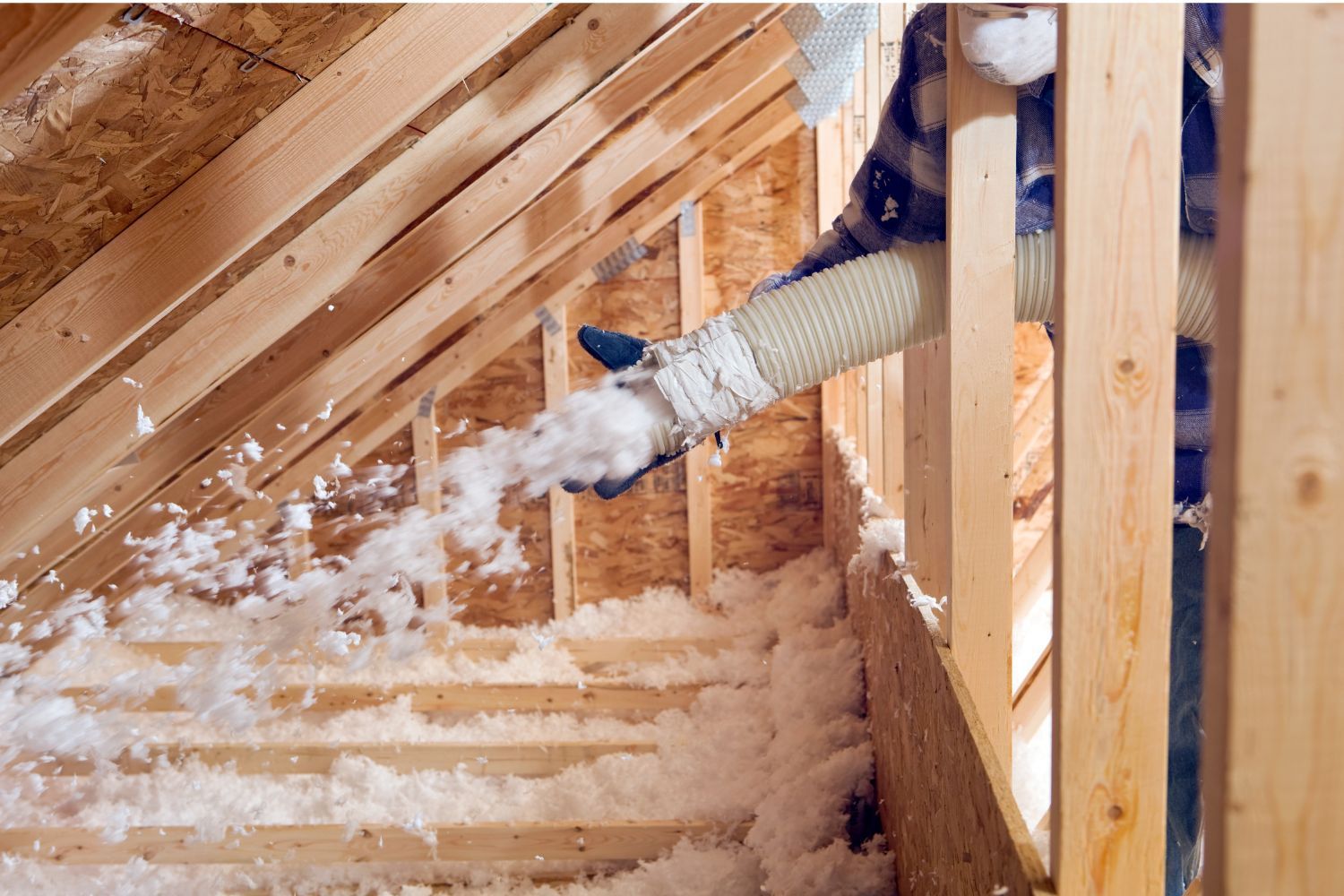
Current blown-in fiberglass is a white fluffy material and needs to be blown in using a special machine. The bags are cut open and dumped into a hopper that breaks the fiberglass into a fluffy "feather-like" consistency. The material is then fed into a blower cavity where air is injected into the material and blown-in to the attic. Fiberglass insulation blown-in as attic insulation slows the spread of heat, cold, and sound in structures. The blown-in fiberglass does this by trapping pockets of air inside the body of the insulation material. Limiting the amount of air coming into and leaking from a home can work to make a home comfortable. It's important to note that fiberglass limits the air movement, but doesn't stop it completely. Unfortunately this makes blown-in fiberglass prone to a reduction in r value in extreme hot or cold temperatures so even if it was the cheapest insulation for attic it does not provide the best insulation for attic. Moisture is hard on fiberglass and damp fiberglass can lose a large percentage of its r value.
Cellulose insulation offers more r value per inch of depth than fiberglass. It takes 12” thickness or more of Fiberglass to secure an R-30 rating while Cellulose insulation material only requires the thickness to be 8.1” to gain the same R-30 rating. The loose-fill version of cellulose insulation can be blown in attic cavities with the help of special blowing machines. The tiny particles of plant fiber form an effective insulating material, which conforms to most structures and spaces without disturbing or dislocating the finish. "A type of plant fiber, cellulose insulation can make your home more soundproof and draft proof than before. It has a high R-value, which essentially means that it can effectively resist heat flow to keep your home warm during winters and cool during the summer. The high r value of cellulose is because cellulose insulation is mainly made from recycled paper, which comes from wood fiber and wood fiber has naturally incredible insulation qualities. The cellular structure of wood is, by nature, quite resistant to the conductive flow of heat."
https://www.attainablehome.com/cellulose-insulation-pros-and-cons/
-
Why is my garage uninsulated?
During initial construction of a home the garage is left uninsulated because it is considered a non-conditioned area, meaning that there is no heat source or air conditioning in the garage. Because the building code doesn't require attic insulation, most new home builders forego the expense of insulation in the garage.
Keep in mind that the measures to insure proper installation of insulation in the garage are identical to measures taken for the house. The most important consideration for blowing insulation is the ventilation. Ventilation removes both heat and moisture from the attic so ensure the baffles are installed for the soffit vents around the perimeter of the attic.
Setting appropriate expectations for performance is crucial. Insulation in the garage will help contain the heat coming of your engine and transmission after driving in the winter but I wouldn't expect it to keep the garage warm overnight without a heat source. The biggest benefit I noticed bu insulating the garage was that cellulose insulation will help keep the summer attic heat from radiating down through the sheetrock and super heating the garage. If your garage roof is exposed to direct sunlight from Noon to 6pm in the summer, you know how hot the garage can get. Cellulose attic insulation creates a thermal fiber barrier between the superheated attic space (sometimes as high as 135 degrees) and the living space below.
-
What happens if the attic is not vented properly?
Proper attic ventilation is the #1 most important factor in mitigating moisture problems and removing excess heat from the attic in the summer. If an attic is not properly ventilated, whether caused by a lack of vents or blocked vents, ice dams can form in winter, the HVAC system can become overworked and the underside of the roof sheathing can develop mold or mildew. The first thing we do is check the perimeter of the attic to make sure your soffit vents aren't blocked and then we install cardboard baffles that create an air channel from the soffit to up above the forecasted depth of the insulation.
-
How do you prevent moisture in your attic?
In order to stop condensation (and frost) from developing in your attic you need to do 3 things:
Eliminate or reduce air leakage into the attic.
Improve attic insulation.
Improve attic ventilation.
Ensure bathroom & dryer vents are routed outside.
-
Is there a tax deduction for insulation?
If you add to your home's insulation, you can receive a tax credit of 10% of the cost up to $500. Energy efficiency tax credits are only available for existing homes (not new construction or rentals) and only for your primary residence.
-
How do I prevent ice dams?
There are a couple of things to know about Ice Dams. First of all, they usually start near gutters. They can cause standing water which can be an ideal habitat for pests. If you have a gutter near your house, you may want to consider installing gutter guards. If this doesn't solve your problem, you may want to consider purchasing a homeowner's insurance policy with specific coverage for Ice Dams.
Another danger posed by Ice Dams is that they can cause your roof to begin leaking. These dams can cause damage to your roof sheathing and the framing. Additionally, they can cause mold growth, which is harmful to the respiratory system. Even worse, mold growth can be a hazard for those with asthma or allergies.
If you want to prevent Ice Dams, you must address the underlying causes. Heat loss is a major contributor to the formation of Ice Dams, so you should focus on fixing those problems first. The best way to do this is to hire a professional. Professionals have the right equipment to do the job safely and effectively.
Keeping your home well-insulated will also help prevent Ice Dams from forming. A poorly insulated home will allow warm air to escape, which increases the risk of ice dams.
-
What are te eligibility requirements for the 2025 Avista Rebate?
The Avista Home Improvement Program was designed to help homeowners in Spokane, Coeur d’Alene, and the surrounding areas improve energy efficiency, lower heating and cooling costs, and make homes more comfortable year-round. One of the most popular incentives is the Avista insulation rebate, which offers up to $1.75 per square foot for professionally installed attic insulation upgrades. To qualify for these rebates, homeowners must meet specific eligibility requirements to ensure the improvements deliver measurable energy savings.
First, the property must be a residential home served by Avista Utilities. The program is open to single-family homes, manufactured homes, and qualifying multi-family residences. Commercial properties, rental units without Avista accounts, or homes outside the Avista service area are not eligible.
Second, the home must currently have low levels of insulation. Avista requires a pre-inspection or documentation showing the existing insulation does not meet recommended R-value standards. For example, many homes built before the 1980s in Spokane have only a few inches of fiberglass batt insulation—well below the energy-efficient levels required today. The rebate is intended for insulation upgrades, not for new construction.
Third, the work must be performed by a participating contractor in the Avista Home Improvement Program. Homeowners cannot DIY their insulation and still claim the rebate. Approved contractors follow program guidelines, verify existing conditions, install the correct insulation depth, and submit rebate paperwork on behalf of the homeowner.
Additional eligibility requirements include being an active Avista electric or natural gas customer, ensuring that the insulation materials meet Avista’s specifications (such as blown-in cellulose or fiberglass), and completing the project within the program timeline. Some rebates may require combining insulation upgrades with air sealing to maximize efficiency.
By meeting these requirements, Spokane homeowners not only receive substantial rebates but also benefit from improved home energy efficiency, lower utility bills, and greater indoor comfort. The Avista rebate makes insulation upgrades affordable, allowing families to enjoy year-round savings while reducing energy waste.
-
What are the requirements for Asbestos Removal Spokane County?
1. AHERA Asbestos Inspection
Before asbestos removal can begin, the materials must be inspected and tested.
The Asbestos Hazard Emergency Response Act (AHERA) establishes federal guidelines for asbestos inspections. These inspections must be performed by a certified AHERA asbestos inspector who is trained to identify materials that may contain asbestos.
An AHERA inspection typically includes:
A visual inspection of suspect materials
Collection of bulk material samples
Laboratory testing to confirm asbestos content
A written inspection report documenting results
Testing is often performed on materials such as:
Attic insulation
Vermiculite insulation
Vinyl flooring
Pipe insulation
Ceiling texture
Duct insulation
If asbestos is confirmed, a licensed contractor can develop a plan for safe asbestos abatement in Spokane County.
2. Spokane Clean Air Agency Regulations
In Spokane County, asbestos removal is regulated by the Spokane Clean Air Agency (SCAA).
These regulations apply to most renovation and demolition projects that disturb asbestos-containing materials.
Key requirements include:
Project Notification
Most asbestos removal projects require a notification to be filed with the Spokane Clean Air Agency before work begins.
Certified Workers
Asbestos removal must be performed by trained and certified asbestos workers and supervisors according to Washington State regulations.
Dust and Fiber Control
Removal activities must minimize fiber release using proper wetting techniques and controlled removal methods.
Failure to follow Spokane Clean Air Agency rules can result in fines and stop-work orders.
3. Containment Procedures
Containment is one of the most critical steps in professional asbestos removal in Spokane.
The goal is to isolate the work area so asbestos fibers cannot spread throughout the home or building.
Typical containment procedures include:
Polyethylene Containment Barriers
Work areas are sealed using 6-mil plastic sheeting to create an enclosed containment zone.
Negative Air Pressure
HEPA air filtration machines create negative air pressure inside the containment area to prevent contaminated air from escaping.
Worker Protection
Workers wear protective equipment including:
Disposable Tyvek suits
P100 respirators
Gloves and boot covers
Decontamination Areas
Larger projects often include a three-stage decontamination unit consisting of a clean room, shower, and equipment room.
These procedures help ensure asbestos fibers remain contained during removal.
4. Asbestos Waste Disposal Requirements
Asbestos materials must be handled and disposed of according to strict regulations.
Typical disposal requirements include:
Double bagging in 6-mil polyethylene bags
Clearly labeled asbestos warning labels
Sealed containers or wrapped waste bundles
Transport using approved waste handling procedures
Asbestos waste must be transported to approved landfills that accept asbestos-containing materials. Improper disposal is illegal and can result in significant penalties.
5. Attic Asbestos Removal in Spokane
One of the most common asbestos projects in older homes involves attic insulation.
Professional attic asbestos removal in Spokane may involve removing materials such as:
Vermiculite insulation
Asbestos-contaminated loose insulation
Pipe insulation in attic spaces
Duct insulation or wrap
Typical attic removal projects include:
Asbestos inspection and testing
Containment setup with plastic barriers
HEPA negative air filtration
Controlled removal using specialized vacuum equipment
Double-bagging of asbestos waste
Worker decontamination procedures
Transport to an approved disposal facility
Specialized insulation vacuum systems are often used to safely remove attic materials while minimizing airborne fibers.
Vermiculite Insulation and Asbestos
Many Spokane homes contain vermiculite attic insulation, which may be contaminated with asbestos fibers.
Because of this risk, vermiculite insulation is often treated as presumed asbestos-containing material until testing proves otherwise.
If your attic contains vermiculite insulation, professional removal may be recommended before upgrading insulation or performing attic renovations.
-
Why get a Vermiculite Inspection Spokane?
If your home was built before the mid-1980s, there is a good chance your attic could contain vermiculite insulation. Because much of the vermiculite used in North America came from a mine in Libby, Montana that was contaminated with asbestos, many homes in the region still contain insulation that may pose a risk if disturbed.
A professional vermiculite inspection Spokane homeowners trust can help determine whether your attic insulation contains asbestos and whether removal or management is recommended. This type of inspection is especially important before renovations, insulation upgrades, or real estate transactions.
Below are the most common reasons homeowners schedule vermiculite testing Spokane inspectors provide.
When a Vermiculite Inspection Is Needed
A vermiculite inspection Spokane homeowners request is typically recommended when an attic contains loose, pebble-like insulation that resembles small gray or gold flakes. Vermiculite insulation is lightweight and often sparkles when exposed to light.
You may need a vermiculite inspection Spokane professionals provide if:
Your home was built before the 1980s
You see loose granular insulation in the attic
You are planning attic renovations or insulation upgrades
You suspect the insulation may contain asbestos
The home inspection during a sale flagged possible vermiculite
Because vermiculite insulation may contain asbestos fibers, disturbing it without testing can release airborne particles into the home. A proper attic asbestos inspection Spokane homeowners schedule helps determine whether the material poses a risk.
AHERA Inspector Requirements
A professional attic asbestos inspection Spokane homeowners rely on must be performed by a certified asbestos inspector.
Federal regulations under the Asbestos Hazard Emergency Response Act (AHERA) establish training and certification requirements for inspectors who evaluate materials suspected of containing asbestos.
During vermiculite testing Spokane inspectors typically perform the following steps:
Visual evaluation of the attic insulation
Identification of vermiculite materials
Collection of representative samples if testing is required
Laboratory analysis at an accredited asbestos testing lab
Written inspection report documenting results
An AHERA-certified inspector has the training required to safely collect samples and identify materials that may contain asbestos. This ensures the inspection results are accurate and legally recognized.
Real Estate Inspection Scenarios
One of the most common reasons homeowners request vermiculite inspection Spokane services is during a home purchase or sale.
Many real estate transactions now require additional evaluation if vermiculite insulation is present in the attic.
Typical scenarios include:
Home buyer inspections
A home inspector may identify vermiculite insulation during a standard home inspection. Buyers often request vermiculite testing Spokane inspectors perform to determine if asbestos is present.
Mortgage or lender requirements
Some lenders require documentation of asbestos testing before approving certain renovation loans.
Pre-sale inspections
Homeowners planning to sell may schedule an attic asbestos inspection Spokane buyers can review before listing the property.
Renovation planning
Contractors upgrading attic insulation or ventilation may require inspection results before disturbing insulation materials.
Because vermiculite insulation may contain asbestos fibers, testing provides important information for buyers, sellers, and contractors.
Vermiculite Inspection Cost Factors
The cost of a vermiculite inspection Spokane homeowners schedule can vary depending on several factors.
Common factors that influence inspection cost include:
Attic accessibility
Difficult attic access or tight spaces can increase inspection time.
Size of the attic
Larger attics may require additional inspection time and sampling.
Number of samples required
Some inspections involve multiple samples to confirm results.
Laboratory testing fees
Accredited laboratories charge fees for asbestos analysis.
Inspection report documentation
Detailed inspection reports may include photos, lab results, and recommendations.
While costs can vary, most vermiculite testing Spokane inspections are relatively affordable compared to the potential health risks and legal complications of disturbing asbestos-containing materials.
Schedule a Vermiculite Inspection in Spokane
If your attic contains vermiculite insulation or you suspect possible asbestos contamination, scheduling a vermiculite inspection Spokane professionals perform is the safest first step.
A certified attic asbestos inspection Spokane inspector can identify whether asbestos is present and recommend the best course of action before renovations, insulation upgrades, or real estate transactions.
-
What would cause attic insulation removal Spokane?
There are several situations where homeowners may need attic insulation removal in Spokane before installing new insulation. Over time, insulation can become contaminated, damaged, or outdated, making it less effective and potentially unhealthy.
In many cases, contaminated insulation removal is necessary to improve indoor air quality, eliminate odors, or prepare the attic for new insulation upgrades. Below are the most common reasons homeowners schedule professional attic insulation removal.
Vermiculite Insulation
One of the most common reasons for attic insulation removal Spokane homeowners face is vermiculite insulation.
Vermiculite was widely used in homes from the 1920s through the 1980s. Much of the vermiculite installed in North America came from a mine in Libby, Montana that was contaminated with asbestos fibers.
Because of this, vermiculite insulation is often treated as presumed asbestos-containing material unless testing proves otherwise.
If vermiculite insulation is found in the attic, homeowners may choose removal when:
Upgrading insulation levels
Renovating attic spaces
Selling a home
Addressing potential asbestos concerns
Professional removal is recommended because disturbing vermiculite insulation can release microscopic fibers into the air.
Rodent Contamination
Another common reason for attic insulation removal Spokane homeowners need is rodent infestation.
Mice, rats, squirrels, and other pests frequently nest in attic insulation. Over time they can contaminate insulation with:
Droppings
Urine
Nesting materials
Dead animals
This contamination can lead to unpleasant odors and potentially harmful airborne particles.
In many cases, rodent insulation removal Spokane contractors perform involves vacuuming out the contaminated insulation, disinfecting the attic space, sealing entry points, and installing new insulation.
Removing contaminated insulation is often the most effective way to restore attic air quality after a rodent infestation.
Mold Contamination
Moisture problems can also lead to the need for contaminated insulation removal.
Mold can grow in attic insulation when excess moisture enters the attic due to:
Roof leaks
Poor attic ventilation
Bathroom or kitchen exhaust venting into the attic
Warm air leaks from the living space below
Once mold spreads through insulation materials, removal is often necessary because mold spores can spread throughout the attic and home.
In these cases, attic insulation removal Spokane contractors may also address the underlying moisture issue before installing new insulation to prevent the mold from returning.
Insulation Replacement and Energy Upgrades
Sometimes insulation removal is done simply to improve energy efficiency.
Older homes often have insulation that is:
Compressed
Incomplete
Installed below modern energy standards
Removing old insulation allows homeowners to install modern materials that provide better thermal performance and air sealing.
Common insulation replacement options include:
Blown-in fiberglass
A cost-effective option that provides good coverage and improves attic insulation levels.
Cellulose insulation
Made from recycled materials and effective at filling gaps and irregular spaces.
Spray foam insulation
Provides both insulation and air sealing, often used in specific attic applications.
Upgrading attic insulation can significantly improve comfort, reduce heating and cooling costs, and improve overall home energy performance.
When to Consider Attic Insulation Removal
Homeowners may want to consider attic insulation removal Spokane services if they notice:
Rodent droppings or nesting materials in the attic
Strong odors coming from attic insulation
Vermiculite insulation present
Visible mold or moisture issues
Very low or uneven insulation levels
Professional removal ensures the insulation is safely removed, properly contained, and replaced with materials that improve energy efficiency and indoor air quality.
If you're planning insulation upgrades or dealing with contamination issues, professional contaminated insulation removal can help restore a clean attic environment and prepare the space for new high-performance insulation.
-
What is the Vermiculite Removal Cost Spokane?
The vermiculite removal cost Spokane homeowners encounter can vary widely depending on the size of the attic, the complexity of the project, and the safety procedures required to remove the material. Because vermiculite insulation may contain asbestos fibers, many projects are treated similarly to asbestos abatement and must follow strict safety and disposal guidelines.
For this reason, the attic asbestos removal cost Spokane residents experience often depends on several factors rather than a fixed price. Understanding these factors can help homeowners plan for the project and understand what goes into professional vermiculite removal.
Cost Factors That Affect Vermiculite Removal
Several variables influence the overall vermiculite removal cost Spokane homeowners may see.
Project Complexity
Every attic is different. Factors such as roof pitch, attic access, obstructions, and structural layout can affect how difficult the insulation is to remove.
For example:
Tight crawl spaces can slow removal
Multiple attic compartments may require additional containment
Low roof pitches can reduce worker mobility
The more complex the attic space, the more labor and equipment may be required.
Depth of Vermiculite
The thickness of vermiculite insulation also plays a role. Some attics contain only a thin layer, while others may have several inches covering the entire attic floor.
Deeper insulation typically means:
More material to remove
Additional containment procedures
Increased waste volume
Attic Size Considerations
One of the biggest influences on attic asbestos removal cost Spokane projects is attic size.
Larger attics require more time, labor, and equipment to safely remove the insulation.
Important attic factors include:
Total square footage
Insulation depth
Accessibility of work areas
Amount of structural framing that insulation is packed around
Because vermiculite is lightweight but bulky, even moderate-sized attics can produce a large amount of waste material that must be handled properly.
Disposal Costs
Another major component of the vermiculite removal cost Spokane homeowners should expect is waste disposal.
When vermiculite is suspected to contain asbestos, it must be handled as regulated asbestos waste.
Typical disposal requirements include:
Double 6-mil poly bagging or sealed containers
Clearly labeled asbestos warning packaging
Transport documentation and waste manifests
Disposal at approved landfills that accept asbestos-containing materials
These disposal procedures ensure that asbestos fibers do not become airborne during transport or landfill handling.
Because of these regulations, disposal costs can make up a significant portion of the overall project.
Regulatory and Compliance Costs
Many vermiculite removal projects must comply with regulations governing asbestos abatement Spokane County projects.
These requirements can include:
Project notification filings with local agencies
Certified asbestos workers and supervisors
Specialized containment materials
HEPA air filtration equipment
Worker protective equipment and decontamination procedures
These safety measures are essential to protect homeowners and workers from asbestos exposure and ensure compliance with local environmental regulations.
Why Professional Removal Matters
Although vermiculite insulation may look harmless, disturbing it without proper containment can release asbestos fibers into the air if contamination is present.
Professional contractors performing attic asbestos removal cost Spokane projects use specialized equipment designed to safely remove insulation while minimizing airborne particles.
This typically includes:
High-powered insulation vacuum systems
Sealed containment barriers
HEPA filtration equipment
Proper waste packaging and disposal procedures
These steps help ensure the attic is safely cleared and ready for new insulation installation.
Planning for Vermiculite Removal
If your attic contains vermiculite insulation, the first step is typically inspection and testing. A professional evaluation can determine whether the insulation contains asbestos and what removal approach may be required.
Because every attic is different, the vermiculite removal cost Spokane homeowners encounter can vary based on project size, regulatory requirements, and disposal needs. A professional assessment is the best way to understand the scope of the project and plan accordingly.
Once the vermiculite insulation is removed, homeowners can move forward with installing modern attic insulation that improves comfort, energy efficiency, and indoor air quality.
-
Is there a Spokane Asbestos Regulations Guide?
Yes. Homeowners and contractors performing asbestos removal Spokane projects must follow several local, state, and federal regulations. These rules are designed to prevent asbestos fibers from becoming airborne and protect workers, residents, and the environment.
The primary regulations governing asbestos projects in the region are known as the Spokane asbestos regulations, which are enforced by the Spokane Regional Clean Air Agency (SRCAA). These rules outline how asbestos inspections, notifications, containment, removal, and disposal must be handled during renovation or demolition projects.
Below is a general guide to the most important Spokane Clean Air asbestos rules and SRCAA asbestos requirements.
Notice of Intent (NOI) Requirements
One of the most important SRCAA asbestos requirements is filing a Notice of Intent (NOI) before starting many asbestos-related projects.
A Notice of Intent is a formal notification submitted to the Spokane Regional Clean Air Agency that provides details about the planned asbestos removal work.
The notice typically includes:
Location of the project
Type of asbestos-containing material being removed
Estimated quantity of material
Planned removal methods
Contractor information
Project start and completion dates
Submitting a Notice of Intent allows SRCAA to track asbestos removal projects and ensure that proper procedures are followed. Depending on the project size and scope, the notice may need to be submitted several days before work begins.
Failure to file a required Notice of Intent can result in significant penalties and stop-work orders.
Asbestos Inspection Requirements
Before any renovation or demolition project begins, Spokane asbestos regulations typically require an inspection to determine whether asbestos-containing materials are present.
These inspections must be conducted by a certified asbestos inspector trained to identify suspect materials and collect samples safely.
Inspection procedures generally include:
Visual evaluation of suspect materials
Collection of bulk samples
Laboratory analysis to confirm asbestos content
Documentation of findings in an inspection report
Inspection requirements apply to many renovation projects, especially in buildings constructed before asbestos bans were implemented.
Proper inspection ensures that asbestos materials are identified before they are disturbed during construction.
Spokane Clean Air Asbestos Rules for Removal
The Spokane Clean Air asbestos rules require strict procedures when asbestos-containing materials are removed.
These procedures are designed to prevent asbestos fibers from being released into the air.
Typical abatement procedures include:
Wetting materials to minimize dust
Controlled removal techniques
Proper containment barriers
Use of HEPA filtration equipment
Worker protective equipment such as respirators and protective suits
Professional asbestos abatement contractors must follow these procedures to ensure the safety of workers and building occupants.
Asbestos Disposal Rules
Another critical part of SRCAA asbestos requirements involves proper waste handling and disposal.
Asbestos waste cannot be treated like regular construction debris.
Regulations typically require:
Sealing asbestos materials in double 6-mil plastic bags or wrapped containers
Clearly labeled asbestos warning markings
Secure transport of waste materials
Disposal at approved landfills that accept asbestos-containing materials
Proper documentation of waste handling and disposal may also be required.
Improper disposal of asbestos materials can result in fines and environmental violations.
Contractor Licensing Requirements
Contractors performing asbestos abatement must meet strict licensing and training standards.
These requirements are part of both Washington State regulations and Spokane asbestos regulations.
Licensed contractors must have:
Certified asbestos workers and supervisors
Proper training in asbestos handling procedures
Approved safety equipment and protective gear
Knowledge of containment and disposal procedures
Hiring a licensed contractor helps ensure compliance with Spokane Clean Air asbestos rules and protects homeowners from liability issues.
Understanding Spokane Asbestos Regulations
Because asbestos removal involves health and environmental risks, the SRCAA asbestos requirements are designed to ensure projects are performed safely and responsibly.
In summary, most asbestos projects in Spokane County involve:
A certified asbestos inspection
Filing a Notice of Intent with SRCAA when required
Following strict removal and containment procedures
Proper packaging and disposal of asbestos waste
Licensed and trained asbestos contractors
If you suspect asbestos materials in your home or attic, scheduling a professional inspection is the safest way to determine whether removal is necessary and ensure the project complies with Spokane asbestos regulations.
-
Is there a Spokane Real Estate Vermiculite Guide?
What Realtors, Buyers, and Sellers Should Know
Vermiculite insulation is one of the most common attic findings during home inspections in older Spokane homes. Because some vermiculite insulation may contain asbestos fibers, it often raises questions during real estate transactions. Understanding how to handle vermiculite properly can help prevent delays in closing and protect both buyers and sellers.
A professional vermiculite home inspection Spokane real estate professionals rely on can clarify whether insulation contains asbestos and what steps may be needed before moving forward with a sale.
This guide explains what realtors, buyers, and sellers should know when vermiculite is discovered in a Spokane attic.
What Is Vermiculite Insulation?
Vermiculite is a lightweight mineral insulation commonly installed in attics from the 1920s through the 1980s. It looks like small, loose granules that may appear gray, silver, or gold and often have a flaky or pebble-like texture.
Much of the vermiculite insulation used in North America came from a mine in Libby, Montana that was later found to contain asbestos contamination. Because of this history, vermiculite insulation is often treated as presumed asbestos-containing material unless testing proves otherwise.
This is why vermiculite frequently becomes a concern during asbestos attic real estate Spokane inspections.
Why Vermiculite Comes Up in Spokane Home Inspections
During a typical real estate transaction, a home inspector may identify vermiculite insulation in the attic. When this happens, buyers and lenders often request additional information before proceeding with the purchase.
A vermiculite home inspection Spokane homeowners schedule can determine whether the material should be tested, managed, or removed.
Common situations where vermiculite affects a transaction include:
Home inspectors identifying vermiculite in the attic
Buyers requesting asbestos testing
Sellers wanting to resolve concerns before listing
Lenders requiring documentation of asbestos conditions
In these cases, a professional inspection helps provide clarity and documentation for the transaction.
Selling a Home With Vermiculite in Spokane
Many homeowners successfully complete selling home with vermiculite Spokane transactions each year. Vermiculite insulation does not automatically prevent a home from being sold.
However, it can influence negotiations or buyer expectations depending on the situation.
Some sellers choose to:
Provide documentation from a vermiculite home inspection Spokane professionals performed
Offer testing results to confirm whether asbestos is present
Provide removal estimates if buyers request remediation
Remove vermiculite insulation prior to listing the home
Addressing vermiculite questions early can often help prevent delays during closing.
What Buyers Should Know
Buyers considering a home with vermiculite insulation often want to understand the potential risks and costs involved.
If vermiculite is discovered during a home inspection, buyers may request:
Vermiculite testing Spokane inspectors perform
An asbestos attic real estate Spokane evaluation
Estimates for removal or insulation upgrades
In many cases, vermiculite insulation can remain in place if it is not disturbed. However, renovations, attic upgrades, or insulation improvements may require removal.
Understanding these options helps buyers make informed decisions during the purchase process.
Why Realtors Recommend Vermiculite Inspections
For real estate professionals, recommending a vermiculite home inspection Spokane experts perform can help transactions move more smoothly.
Inspections provide:
Documentation of attic insulation conditions
Laboratory confirmation if asbestos is present
Clear guidance for buyers and sellers
Professional reports that lenders and inspectors can review
When vermiculite is identified early in the transaction process, buyers and sellers can work together to determine the best path forward.
Vermiculite and Asbestos in Attics
When vermiculite insulation is present, it is often evaluated as part of an asbestos attic real estate Spokane inspection.
If asbestos contamination is confirmed, homeowners may consider professional removal before installing new insulation or performing attic renovations.
Because attic insulation removal may involve asbestos safety procedures, it is important that the work is handled by trained professionals familiar with local regulations and containment procedures.
Helping Spokane Real Estate Transactions Move Forward
Vermiculite insulation is common in older Spokane homes, and its presence does not necessarily mean a real estate transaction cannot proceed.
A professional vermiculite home inspection Spokane real estate agents recommend can provide the information buyers and sellers need to make informed decisions.
Whether you are a realtor guiding clients through a transaction, a buyer evaluating a home, or a seller preparing to list a property, understanding vermiculite insulation and asbestos considerations can help keep the process moving forward smoothly.
If vermiculite insulation is discovered in an attic, scheduling a professional inspection is often the best next step to determine testing options and potential solutions.